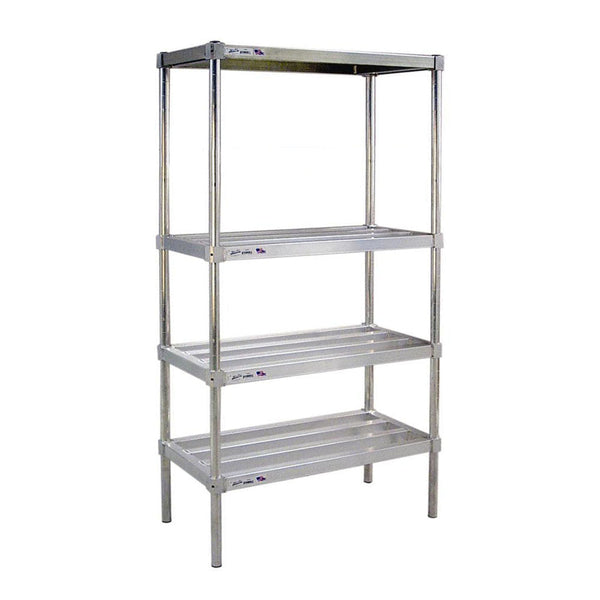
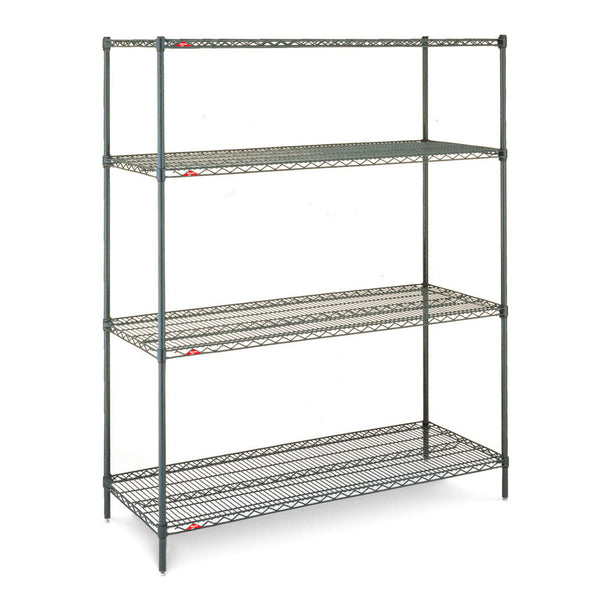
Shelving & Storage for Restaurants and Food Service Operations
Restaurants and foodservice facilities need storage that works across
more than one part of the operation. Dry goods, bulk ingredients,
cookware, containers, smallwares, paper products and frequently used
supplies may all require different storage depending on where they are
kept and how staff need to access them.
Shelving.com offers commercial shelving and storage options for
restaurants, cafeterias, bakeries, institutional kitchens and other
foodservice operations. From receiving and dry storage to walk ins,
prep areas and back of house organization, the goal is to create storage
that keeps supplies visible, accessible and easier to manage throughout
the workday.
Food service shelving includes commercial storage used throughout
restaurant and foodservice operations, including receiving areas,
dry storage rooms, walk ins, prep spaces, bulk storage and back of
house areas. The right storage setup depends on what is being stored,
where it is located and how staff need to use the space.
Looking for Commercial Kitchen Shelving?
Compare shelving and storage options for restaurant dry storage,
walk ins, prep areas, bulk inventory and other commercial kitchen
applications.
A foodservice operation rarely relies on one shelving type
everywhere. Storage needs change as products move from receiving
into bulk storage, refrigeration, prep areas and daily use work
zones.
The best setup considers how each area is used, what needs to
be stored there and how frequently staff need access.
Receiving & Bulk Storage
Receiving areas often need room for cases, bags, boxes and
other larger inventory before products are moved to their
final storage location.
Low level storage can make heavier products easier to handle
while helping keep inventory elevated from the floor.
Dunnage racks are especially useful for bulk goods that do
not need full height shelving.
Dry storage areas often hold canned goods, boxed ingredients,
containers, paper supplies and backup stock. Open shelving
can make inventory easier to see and restock while adjustable
shelving provides flexibility as storage needs change.
A well planned dry storage area should support inventory
visibility, stock rotation, cleaning access and easier
restocking.
Walk Ins & Cold Storage
Walk ins and refrigerated storage introduce different
conditions than a typical dry storeroom. Cold temperatures,
condensation and moisture can affect which shelving
materials and finishes make sense for the space.
The layout should also make products easy to identify and
access without creating unnecessary congestion inside the
cooler.
Prep & Work Areas
Prep areas need a different kind of storage than bulk rooms.
Frequently used containers, smallwares, ingredients and
tools often need to stay close to the people using them.
Wall mounted shelving can make use of vertical space above
or near work surfaces without adding another freestanding
unit to the floor.
Back of house storage often combines dry ingredients,
disposable supplies, containers, smallwares, backup
equipment and other inventory within the same general space.
Instead of treating the entire area as one storage zone,
organize it by use so frequently used supplies, backup
inventory, bulk goods and smaller items have clear places
to go.
Storage by Operation
Foodservice Storage for Different Types of Operations
Storage needs can vary depending on the size of the operation,
menu, inventory volume and how products move through the facility.
Restaurants
Storage Across Multiple Work Areas
Restaurant storage may span receiving, dry storage, walk ins,
prep stations and smaller back of house areas. A mix of
freestanding shelving, wall shelving, dunnage racks and
accessories may be needed across the operation.
Cafeterias & Institutions
Higher Volume Inventory
Schools, healthcare facilities, corporate cafeterias and
other institutional kitchens may manage larger quantities
of ingredients, disposables and backup inventory. Clear
storage zones can make high volume supplies easier to manage.
Bakeries
Ingredients, Supplies & Equipment
Bakeries may need storage for bulk ingredients, pans,
containers, packaging and frequently used equipment.
Larger bags and cases may need lower storage while smaller
supplies benefit from adjustable shelving closer to the
work area.
Compact Operations
Making Better Use of Limited Space
Food trucks, concession operations, catering kitchens and
compact prep spaces often have less room to work with.
Wall space, vertical storage and carefully sized shelving
become especially important when floor space is limited.
Plan Around the Inventory
What Foodservice Operations Commonly Need to Store
Foodservice shelving supports much more than ingredients alone.
The size, weight and frequency of use of the inventory can affect
how the storage area should be planned.
Different Inventory May Need Different Storage
Small bottles and containers may benefit from shelf liners,
while heavier cases may be better suited to lower shelving
or dunnage racks.
Cleaning and maintenance supplies should also be stored
appropriately and separated from food and food contact
items where required.
One shelving system does not have to solve every storage need.
A restaurant may use one type of shelving in dry storage,
another in a walk in, wall shelving near prep areas and
dunnage racks for bulk inventory.
Thinking about the operation as a series of storage zones makes
it easier to choose products based on how each area actually
functions.
Before Choosing Shelving, Consider:
Location
Where the storage will be used
Inventory
What needs to be stored there
Access
How often staff need the items
Environment
Whether moisture or refrigeration is involved
Space
How much floor and wall space is available
Daily Use
How the area will be cleaned and restocked
Need Help Choosing?
Compare Commercial Kitchen Shelving Types
The Commercial Kitchen Shelving Buying Guide compares
shelving materials, storage environments, configurations
and other factors that can help narrow the product choice.
Shelving.com helps restaurants and foodservice operations
understand how shelving can support receiving, dry storage,
walk ins, prep areas, bulk storage and day to day back of
house organization.
What types of foodservice operations use commercial shelving?
Commercial shelving is used in restaurants, cafeterias,
bakeries, institutional kitchens, catering operations,
concession areas and other facilities that need organized
storage for food, supplies, containers, smallwares and
bulk inventory.
Does every area of a restaurant need the same shelving?
No. Dry storage, refrigerated areas, prep stations and
bulk storage can have different storage requirements.
The environment, inventory, available space and frequency
of use should guide the choice.
What is commonly stored in restaurant dry storage areas?
Dry storage areas commonly hold canned goods, boxed
ingredients, dry bulk foods, food containers, paper
products, disposable supplies and backup inventory.
Where are dunnage racks useful in a foodservice operation?
Dunnage racks are useful for cases, bags, boxes and other
heavier bulk goods that need low level storage while
remaining elevated from the floor.
When does wall shelving make sense in a commercial kitchen?
Wall shelving is useful near prep areas and workstations
where frequently used items need to remain accessible
without taking up additional floor space.
How do I choose between different commercial kitchen shelving materials?
Material selection depends on factors such as moisture,
refrigeration, cleaning requirements, expected load and
the storage environment. The Commercial Kitchen Shelving
Buying Guide explains those differences in more detail.
Ready to Plan Your Storage?
Compare shelving for restaurant dry storage, walk ins,
prep areas, bulk inventory and other commercial kitchen
storage needs.
Commercial Kitchen & Food Service Storage Resources
Shop the main commercial kitchen collection, compare shelving
choices in the buying guide or learn more about shelving for
cold and moisture exposed environments.
Shop Products
Commercial Kitchen Shelving
Compare shelving and storage options for restaurants,
dry storage rooms, walk ins, prep areas and other
foodservice applications.