


Warehouse Automation Systems
An automated warehouse system is an integrated combination of structural storage systems and material handling automation equipment designed to increase throughput, reduce manual travel time, and improve vertical space utilization within industrial warehouse environments.
These systems are planned around how products move through the facility, including storage, picking, staging, replenishment, and transfer points. Pallet racking, mezzanines, conveyors, pallet flow, carton flow systems, robotic pallet transport, and labels may all play a role, but they need to be evaluated as one coordinated layout.
Automation is not achieved by adding equipment independently. Racking, elevated platforms, flow systems, labels, conveyors, picking areas, and transfer areas must be planned together to support structural integrity, workflow efficiency, safety, and code compliance.
Automation Products Used in Warehouse Automation Systems
The products below are common starting points for warehouse automation. Each one helps support a different part of the operation, from moving pallets and cartons to improving inventory tracking, product identification, and internal material flow.
Pallet racking, mezzanines, flow systems, guard rails, and rack protection may also need to be evaluated during planning, but they function as supporting infrastructure rather than the primary automation products featured here.

Robotize GoPal®
Robotic pallet transport systems help automate repeat pallet movement between warehouse zones. They can reduce manual forklift travel, improve internal product flow, and support facilities looking to automate material movement without redesigning the entire operation.

Conveyors
Conveyor systems move products, cartons, and materials through picking, packing, staging, and fulfillment areas. In an automated warehouse layout, conveyors can reduce walking time, support smoother product transfers, and help connect different work areas.
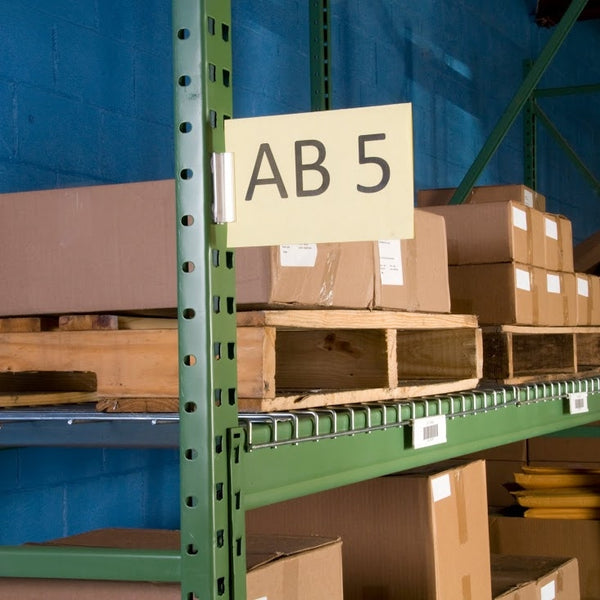
Labels
Labels and barcode identification systems support automated tracking, inventory control, picking accuracy, and warehouse organization. Clear location labels, rack labels, and barcode systems help teams and technology identify where products are stored and how they move through the facility.
Engineering Requirements for Automated Warehouse Systems
Automated warehouse systems can increase structural demand on supporting racking, mezzanine, conveyor, and material handling systems.
Prior to integration, evaluation should include:
- Upright load capacity and deflection tolerance
- Beam-to-upright connection strength
- Seismic anchoring requirements based on region and application
- Fire-code and sprinkler clearance compliance
- Floor slab load ratings
- Transfer point reinforcement
Automation requires structural planning before equipment installation.
Workflow Planning for Warehouse Automation Systems
Material handling automation systems are most effective when designed around inventory flow rather than equipment selection alone. The goal is to reduce travel time, congestion, rehandling, and product movement delays.
Review Product Movement
Evaluate SKU velocity, order frequency, load size, weight distribution, and how products move between storage, picking, staging, and transfer areas.
Map Space and Traffic Flow
Look at vertical clearance, cube utilization, conveyor paths, forklift routes, aisle pressure, and traffic areas that may create delays or safety concerns.
Plan System Connections
Identify where conveyors, pallet flow lanes, barcode labels, robotic pallet transport, and transfer points need to work together within the larger warehouse layout.
System coordination improves throughput while reducing congestion, travel time, and rehandling.
When to Implement Automated Warehouse Systems
Automated warehouse systems are typically appropriate when:
- Labor travel time reduces picking efficiency
- Storage density is limited by floor space
- Multi-level inventory access is required
- FIFO inventory control is needed
- Throughput requirements exceed manual capacity
- Product movement between work areas creates delays
- Inventory tracking or picking accuracy needs improvement
Automated warehouse systems should be evaluated as coordinated warehouse material handling systems supported by properly planned storage, movement, picking, tracking, and safety components.
Planning Areas for Warehouse Automation Systems
Before selecting warehouse automation products, these planning areas help determine whether the facility, storage layout, and material handling process can support automation safely and effectively.
Pallet Racking Layout Planning
Start with the storage framework. Use the pallet rack configurator to compare upright heights, beam levels, decking options, and layout needs before planning automation-ready flow.
Use the Pallet Rack Configurator →Pallet Rack Automation Planning
Learn how pallet racking can support warehouse automation by improving storage density, product flow, picking paths, and integration with conveyors or flow systems.
Read the Pallet Rack Automation Guide →Mezzanine Expansion Planning
Learn what to consider before adding a warehouse mezzanine, including available space, access points, load requirements, workflow, and multi-level storage needs.
Read the Mezzanine Planning Guide →Safety & Code Readiness
Review warehouse safety considerations before adding automation equipment, including rack condition, traffic areas, load risks, guard rails, and storage layout concerns.
Learn About the Safety Inspection →Compare Automation Equipment
Once the structural, workflow, and safety requirements are understood, individual equipment categories can be compared by how they support the overall warehouse automation system.
Warehouse automation equipment refers to the individual products used to improve movement, tracking, staging, and workflow, such as conveyors, barcode labeling, and robotic pallet transport. Supporting infrastructure, such as pallet racking, mezzanines, flow systems, guard rails, and rack protection, may also need to be evaluated because these components affect how automation fits into the overall warehouse layout.
To browse automation products and quoted solutions, visit the Warehouse Automation Systems Collection.
Plan the Right Next Step
Ready to Explore Warehouse Automation Solutions?
Compare automation products, review quoted solution options, and connect with Shelving.com to determine which systems make sense for your facility layout, product flow, and long-term efficiency goals.
Frequently Asked Questions About Warehouse Automation Systems
These answers explain how automated warehouse systems are planned, how structural storage supports automation, and when a facility should consider an integrated warehouse material handling system.
What is a warehouse automation system?
A warehouse automation system integrates storage, movement, tracking, picking, and material handling equipment to improve product flow, reduce manual travel time, and increase throughput. It may include conveyors, robotic pallet transport, barcode labeling, pallet racking, mezzanines, flow systems, and safety equipment depending on the facility.
When should a facility consider warehouse automation?
Automation is typically considered when facilities approach capacity limits, experience labor inefficiencies, require multi-level storage expansion, or need to improve internal product flow between departments, picking zones, staging areas, or storage levels.
How does pallet racking support automation?
Pallet racking supports automation by providing the storage framework for inventory, pallet movement, flow lanes, and picking areas. Racking should be evaluated for load capacity, deflection tolerance, anchoring requirements, and code compliance before automation components are added.
Can existing racking be integrated into an automation system?
In many cases, existing racking can be evaluated and reinforced to support automation. A structural inspection is recommended to verify upright integrity, beam connections, floor anchoring, load capacity, and compatibility with product movement or transfer points.
What is the role of mezzanines in warehouse automation?
Mezzanines allow facilities to expand upward rather than outward. When integrated with conveyors, picking areas, storage systems, and safe access points, they increase usable cube space and improve multi-level workflow efficiency.
What is the difference between warehouse automation systems and warehouse automation equipment?
Warehouse automation equipment refers to the individual products used to improve movement, tracking, staging, or workflow, such as conveyors, barcode labeling, and robotic pallet transport. A warehouse automation system is the coordinated layout that brings automation equipment and supporting infrastructure together to improve efficiency, safety, and product flow.
Are warehouse automation systems subject to safety or fire-code requirements?
Yes. Integrated systems must meet OSHA guidelines, local fire-code regulations, sprinkler clearance requirements, and structural anchoring requirements. Proper decking selection, guard rails, rack protection, traffic planning, and load evaluation are important to safe automation planning.